skip to main |
skip to sidebar
Sprüth Magers is hosting an exhibition of photographs by Jean-Luc Mylayne. This series focuses on Bluebirds, a rare species found in North America. These birds are famous for their bright colours. The artists installs his equipment, and waits for the bird to get used to it. It can takes up to several months before they behave normally, hence the photographs can be taken. Some of the pictures are blurred, or unfocused, reavealing the long wait and doubtfulness due to the photographic process. The time and energy involved in the project become, for the viewer, the simple joy of looking at nature. These photographs are simply beautiful. The artist records an unique instant with his camera. Until may 29th.Sprüth Magers accueille une exposition de photographies par Jean-Luc Mylayne. L’artiste s’intéresse aux Merlebleus, une rare espèce d’oiseaux d’Amérique du Nord, fameux pour leurs couleurs. L’artiste installe son matériel et attend que les oiseaux soient habitués à lui, jusqu’à plusieurs mois, avant de pouvoir les photographier. Ces clichés, réalisés au Texas, parfois flous ou mal cadrés, révèlent la durée du processus photographique. L’attente se trouve ainsi résumée et récompensée en quelques millisecondes, le temps d’un déclic. Les moyens, le temps, et l’énergie investis dans le projet concourent pour le spectateur, au bonheur simple de la contemplation naturelle. Des clichés simplement beaux, sans artifice, et la sensation d’assister à un instant unique. Jusqu’au 29 mai.http://www.spruethmagers.com/exhibitions/260
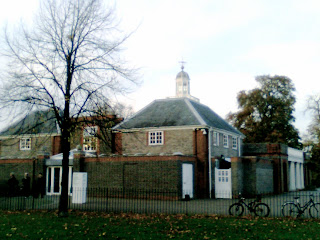
L’exposition se focalise sur les œuvres politiques de Richard Hamilton, qui s’attaque au terrorisme, au musée, à la presse… L’accrochage permet de comprendre le processus créatif de l’artiste, et les différentes manières qu’il a de traiter le matériel photographique. La série Swingeing London 67 est une satire de la presse britannique. En février 1967, Mick Jagger et le marchand d’art Robert Fraser sont arrêtés au domicile de Keith Richards pour possession de substances illicites. Les tabloïds se déchaînent, c’est un véritable scandale. Un collage d’articles de journaux relatifs à l’affaire en témoigne, et la photographie des suspects est reproduite suivant différentes techniques. Richard Hamilton tourne en dérision la lourdeur de la société britannique qui porte au pilori les deux suspects menottés, une tradition qui traîne un pas lourd plutôt qu’elle ne swingue… Jusqu’au 25 avril.The exhibition points on Richard Hamilton’s political works. They refer to terrorism, museum, or press. The display brings into focus the artist’s working process, and the different ways he uses photographic material. The series Swingeing London 67 is a satire of british press. In february 1967, Mick Jagger and the art dealer Robert Fraser are arrested for possession of illegal substances at the home of Keith Richards. The press makes it a scandal, virulent attacks are published in tabloids. A collage of newspaper articles tells the stories in details. The picture of the two handcuffed suspects is reproduced with different techniques. Richard Hamilton protests against the british establishment, in a swingeing rather than swinging London… Until april 25th.
http://www.serpentinegallery.org/2010/03/richard_hamilton23_february_18.html
La galerie Gagosian rassemble ses artistes dans son espace de Britannia street pour un hommage à J.G. Ballard, auteur du livre Crash. L’exposition se veut un événement. D’entrée, on est accueilli par le train d’atterrissage d’un avion, Honda Teen Facial de l’artiste Adam McEwen. Le livre raconte une communauté fétichiste fascinée par les accidents de voiture, et les œuvres fusent autour de ce thème. Engins mécaniques, collisions, désastres, corps meurtris et modifiés sont autant de chocs visuels qui dialoguent dans un accrochage plutôt provocateur. Dans une société déshumanisée, la sexualité doit devenir mécanique. Les mannequins modifiés de Cindy Sherman (Untitled #253) sont équipés de vagins. Le Mechanical Pig hyper sexué de Paul McCarthy est presque obscène. Ces œuvres, hybrides d’organique et de technologique prennent une nouvelle dimensions face à l’explosion colorée de Piotr Uklanski, Untitled (Ivy Mike). Comme le rappelle Douglas Gordon en le gravant sur les murs de la galerie, « We are all going to die ». Damien Hirst présente, sous un aspect légiste, la cervelle éclatée d’un pilote d’avion mort dans le crash de son appareil, When Logics Die. L’espace urbain, scène où ont lieu les accidents, est aussi très présent. Les froids clichés d’une autoroute déserte la nuit, de l’artiste Dan Holdsworth, Untitled (Autopia) sont simplement beaux. La diversité des œuvres est vraiment intéressante. Les nus corsetés de Helmut Newton, Jenny, Gunilla, Jane et Jassara, résument bien l’esprit de l’ensemble, sexy mais dérangeant, fascinant mais un peu sale. Belles et fragiles, leur handicap les mécanise, les fétichise, alors qu’elles s’offrent à l’objectif du photographe. Ce corps assisté devient encore plus désirable parce qu’il tend vers l’automate. Jusqu’au 1er avril.Gagosian is gathering his artists in his Britannia street space. It is a tribute to J.G. Ballard, who wrote the novel Crash. The exhibition tends to be an event, with a beautiful catalogue. You are welcomed by a Boeing 747 undercarriage, Honda Teen Facial, by the artist Adam McEwen. Crash tells the story of a fetishist group fascinated by car accidents. The works shown are related to this theme : engines, collisions, disasters, injured and modified bodies… working together in a provocative display. In a society ruled by machines, the body has to renew itself to have sex. It has to become mechanical. Cindy Sherman’s dummies (Untitled #253) are modified with a vagina. Paul McCarthy’s ultra-sexual Mechanical Pig is almost obscene. These works, hybrid of organic and technologic matters, take a new dimension opposite Piotr Uklanski’s large-scale colourful outburst, Untitled (Ivy Mike). And as Douglas Gordon carved into the wall of the gallery, « We are all going to die ». Damien Hirst shows, in a medical view, a pilot’s scattered brain after the crash of his aircraft, When Logics Die. The urban space, where the crashes happen, is represented as well. Dan Holdsworth’s Untitled (Autopia), stark photographs of a quiet motorway by night, is simply beautiful. Crash is about being human, body and soul, in a non human society. The diversity of the works is very interesting. Helmut Newton’s photographs are a beautiful way to sum up the show. Jenny, Gunilla, Jane and Jassara are naked, their body fastened in a medical corset. These pictures ares both sexy and weird, both fascinating and a bit dirty. Their injured body is mechanically healed, and they become an hybrid of human and machine to please the camera. The more mechanical, the more desirable. Until april 1st.http://www.gagosian.com/exhibitions/2010-02-11_crash/
Berghain est en un lieu unique. Réputé pour un son électro ultra pointu, les foules attendent des heures avant d’y pénétrer. Les physios sont très sélectifs, on ne rentre pas dans ce club comme à Londres ou Paris. C’est une question d’attitude, pas de look. Ce club installé dans une station électrique désaffectée de Berlin Est refuse les représentations. Il les interdit même. A l’intérieur du Berghain, pas de photo, sous peine d’expulsion. Pas de miroirs, même dans les toilettes. Pas moyen de se voir autrement dans le regard des autres. En refusant l’auto-représentation, le club s’impose comme une expérience. Dans cet antre où tout est permis, les clients vont aux limites d’eux-même. Facile de se perdre dans cette Babylone contemporaine. Un photographe est néanmoins le témoin de cette scène underground. Wolfgang Tillmans est la seule personne autorisée à prendre des photos à l’intérieur du Berghain. Quelques images sont exposées au Panorama Bar, au deuxième étage. Sexys, crus, parfois pornos, il offre au spectateur des clichés sans fioritures. Dans une esthétique qui me rappelle celle de Nan Goldin ou encore Hedi Slimane, Wolfgang Tillmans capture l’énergie de cette jeunesse borderline. Presque aussi direct que l’expérience du club.Berghain is a very unique place. This club is famous for its very edgy electro music. You wait for hours before you get in, if you can get in. The doormen are very selctive. But it’s not like in London, it’s more a question of attitude than outfit. Attitude, that’s it. This club is installed in a missused power sation in East Berlin. It’s forbidden to take photographs inside Berghain. There is no mirror inside Berghain, not even in the toilets. By rejecting self-representation, the club has to be an experience. There’s no spectators either viewers, only actors. You can easily get lost in this contemporary Babylon. The photographer Wolfgang Tillmans is the only person allowed to take pictures inside the club. Some of them are displayed on the walls of the Panorama Bar, on the second floor. Raw, sexy, sometimes porn, his photographs are not made up. In a way, he reminds me Nan Goldin or Hedi Slimane. Wolfgang Tillmans captures the energy of Berlin’s underground youth. It’s almost as direct as the Berghain experience.www.berghain.de
 Packed like sardines in a crushed tin box, an arty crowd gathered inside (and outside) the Alison Jacques gallery. This was the opening of the Mapplethorpe exhibition. Patti Smith, poet and singer, was there to pay tribute to her friend. Her performance was beautiful. A few words, poems and song, it was simple and honest, just like the artist. You can feel the love she has for Mapplethorpe in her voice. The latter’s photographs here focus on sacred and profane. The controversial artist represents himself as a demon, among crucifix, pentagones, guns, skulls or frogs. These images depict a photographer fascinated by religion and its evoking power. In the side space are displayed rare collages from 1968-69, both simple and poetic.http://www.alisonjacquesgallery.com/robert-mapplethorpe-season-hell-opening-performance-patti-smith-october-e-45.html
The photographer shot caves in North America. The set reminds me Neil Marshall’s movie The Descent (2005). But this is a much more glamourous adventure. There in no monster. No one gets injured. The models could be Orpheus and Eurydice during their trip to Hell. As antique sculpture, they’re melting into stone. Hidden, they seem to be part of the cavern. But they’re well alive. Lit in vivid colors, red, blue, pink, the bodies explode in a pop sensuality. This is an awesome descent.http://www.alisonjacquesgallery.com/ryan-mcginley-moonmilk-e-40.html

This exhibition is entitled The Whole : a study in Oist integrated movement. The project Oism is a project started in the late 1990's, in which Jim shaw recreates a fictionnal religion. The woman is in the center of this religion, inspired by new age movements. Jim Shaw’s paintings depict women faces mixed with intricate roots. It’s a kind of organic. You must go downstairs to watch the 16 min video. The first part is a dazzling abraction. Then several women start a sensual dance in a 1970s style. It is amazing.
http://www.simonleegallery.com/ex_jim_shaw_works.htm
Indian Highway shows how Indian artists deal with their history, both past and present. Highway means the traditionnal road and the « communication superhighway » as well. Most of the artists reflect their thoughts about politics, religion and globalisation. Lots of videos, some dealing with the bound between art and documentary. Who said it twas the last commited media left? DMV-11 2007 2008 by Dayanita Singh is a photograph depicting an absolutely contemporary indian city. The blue lighted buildings contrast with the red crossroad. It is like the road was in fire . You can feel the energy of the town. It is a beautiful picture indeed. The contrast between the detailed foreground and the flurred background reveals a long distance. Beyond the city, you see a wide country in movement. Indian Highway montre le rapport des artistes indiens à leur histoire passée et présente. La plupart d’entre eux affichent leurs idées à propos de politique, de religion et de globalisation. Beaucoup de vidéos, certaines flirtant avec les frontières entre art et documentaire. Qui a dit que c’était le dernier média engagé? DMV-11 2007 2008 de Dayanita Singh est une photographie montrant une ville indienne absolument contemporaine. Les immeubles baignés de bleu contrastent avec le carrefour rougi, comme en feu. On peut sentir l’énergie de la ville. C’est une belle image. Le contraste entre un premier plan précis et un lointain brumeux montre une grande distance. Au-delà de la ville, l’artiste montre un pays entier en mouvement.
http://www.serpentinegallery.org/2008/06/indian_highwaydecember_2008_fe_1.html


